
External objectives
Schedules, dispatch, commercial priorities, or site-level targets that define what the broader system is trying to achieve.
This page shows where the layer sits, what it is responsible for, and what remains inside the platform. The emphasis is legibility rather than implementation detail.
Boundaries, layers, contracts, and how Thermavyn keeps the architecture explainable.
Internal logic, methods, tuning strategy, and non-public technical material.
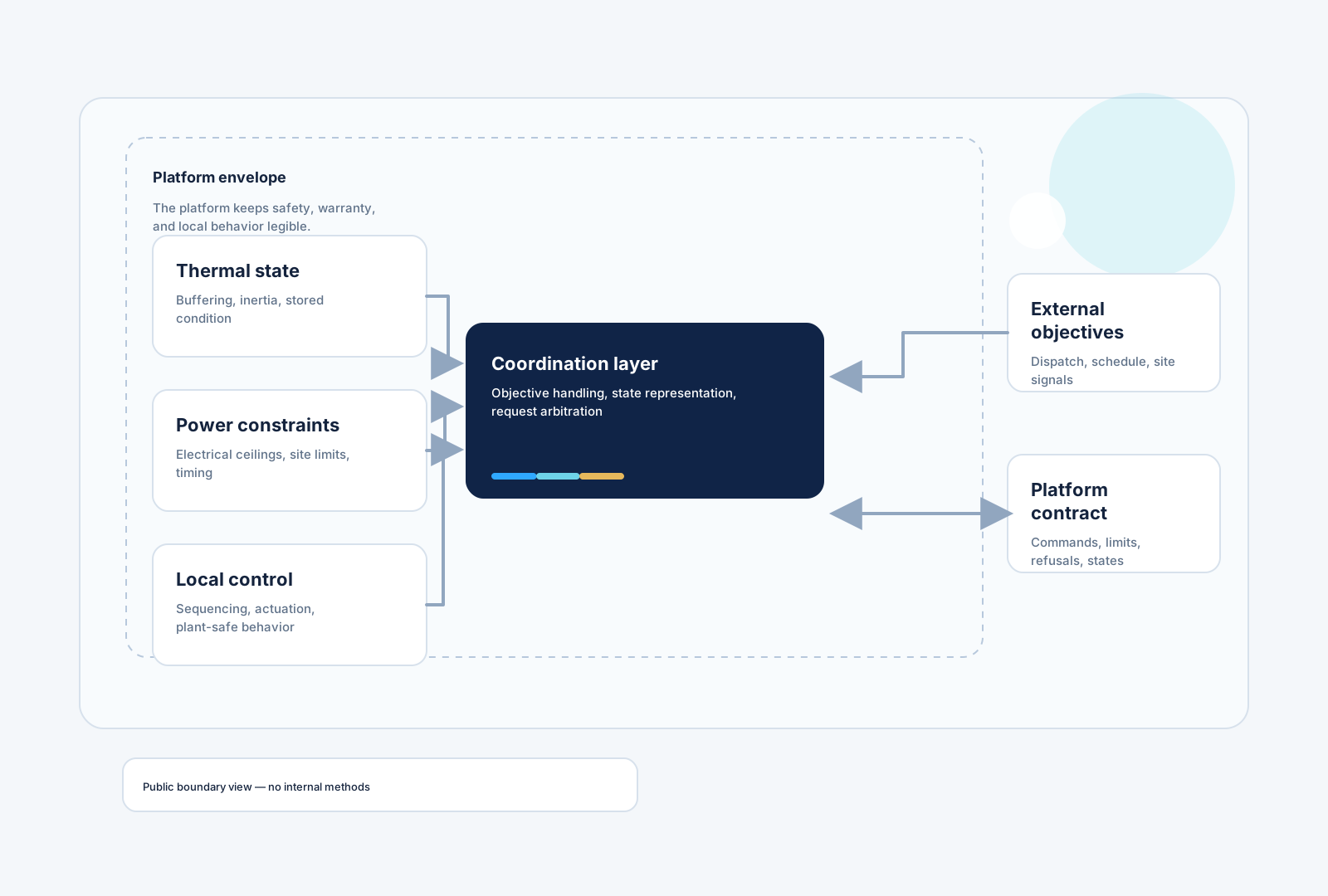
The goal is not to move all intelligence upward. The goal is to place each type of decision where it remains understandable, auditable, and safe.
Schedules, dispatch, commercial priorities, or site-level targets that define what the broader system is trying to achieve.
Interprets objectives, manages conflicts, and translates requests into platform-safe interactions.
Declares commands, states, limits, refusals, and the conditions under which the platform will or will not comply.
Owns fast dynamics, actuation, and plant behavior that should remain close to the physical system.
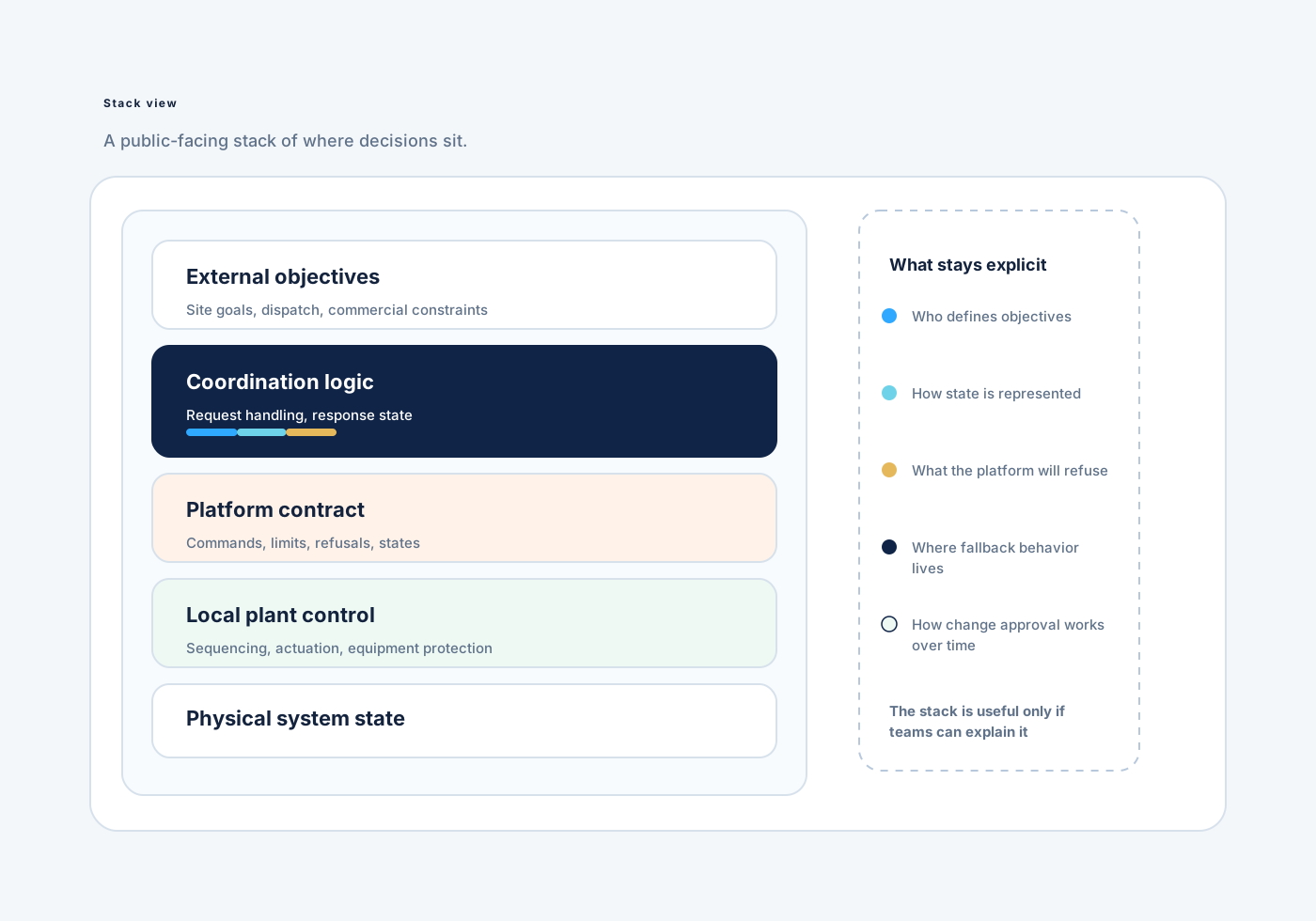
In real organizations, the best technical answer still has to survive reviews, integration planning, OEM alignment, and future change. That is why Thermavyn emphasizes a stack that can be described clearly, not only implemented cleverly.
The point is legible responsibility, not fashionable complexity.
A clear architecture helps technical teams validate fit and helps decision-makers explain why the approach is defendable.
It avoids the feeling of a coordination layer that arrives as a black box and quietly pushes platform risk downward.
It creates a path for coordinated behavior that does not become impossible to troubleshoot, maintain, or evolve.